































Key factors affecting speed of the grinding wheel
Rinding wheel peripheral speed is one of the most influential variables in grinding processes. Suitable speed improves material removal rate and surface quality, while improper speed brings safety risks and poor machining results.
First, the wheel’s maximum operating speed marked by the manufacturer sets the hard safety limit. Never exceed this rated speed, as excessive centrifugal force may crack and burst the wheel. Bond type determines speed tolerance. Vitrified bonds have relatively lower safe speed limits compared with resin and metal bonds. Resin-bond wheels can run at higher speed because of better impact resistance.
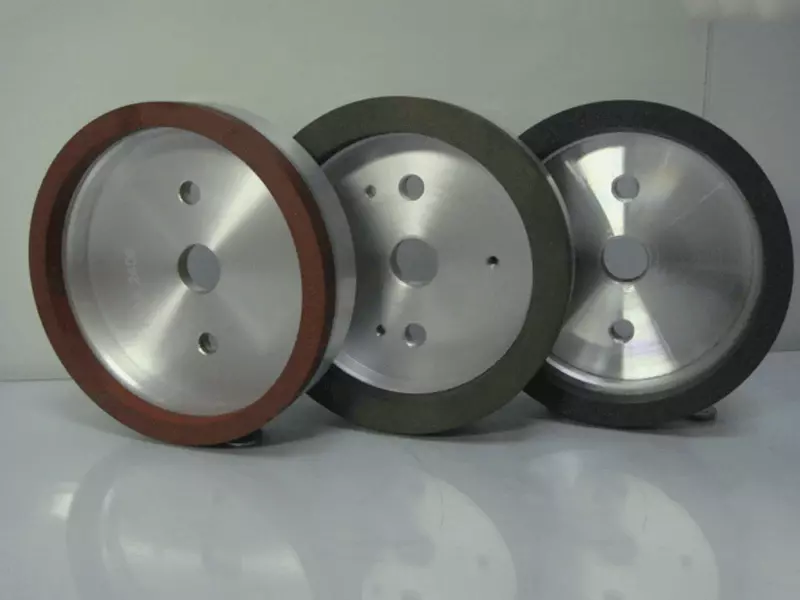
Workpiece material affects the preferred speed range. For hard and brittle materials like carbide and ceramics, higher speed helps form micro-cutting and reduces chipping. Soft, ductile metals usually need a moderate speed to avoid built-up edge and workpiece thermal damage. Abrasive grain type also plays a role. Superabrasives including diamond and CBN can run stably at far higher speeds than conventional alumina and silicon carbide abrasives.
Grinding machine condition should not be overlooked. Spindle runout, vibration and clamping stability will decide whether the wheel can run smoothly at target speed. Vibration under high speed creates chatter marks and accelerates uneven wheel wear. In addition, coolant delivery must keep pace with high-speed grinding. Friction heat rises sharply with speed, and inadequate cooling causes thermal failure of bond materials. Operators must balance safety limits, workpiece requirements and machine stability to set a proper grinding speed.
