






























Detailed analysis for the working life of grinding
The service life of a grinding wheel refers to the usable period before it loses cutting ability and requires dressing or replacement. Extending wheel life without sacrificing grinding quality is a core goal for grinding workshops.
Abrasive grain toughness is the foundation. Grains with moderate toughness can maintain sharp cutting edges and shed dull fragments gradually. Grains that are too brittle wear away rapidly; overly tough grains become blunt without falling off, causing rubbing, heat accumulation and workpiece burn. Bond strength controls grain retention. If the bond is too weak, grains fall out prematurely and shorten service life. Overly strong bond traps dull grains and reduces cutting performance.
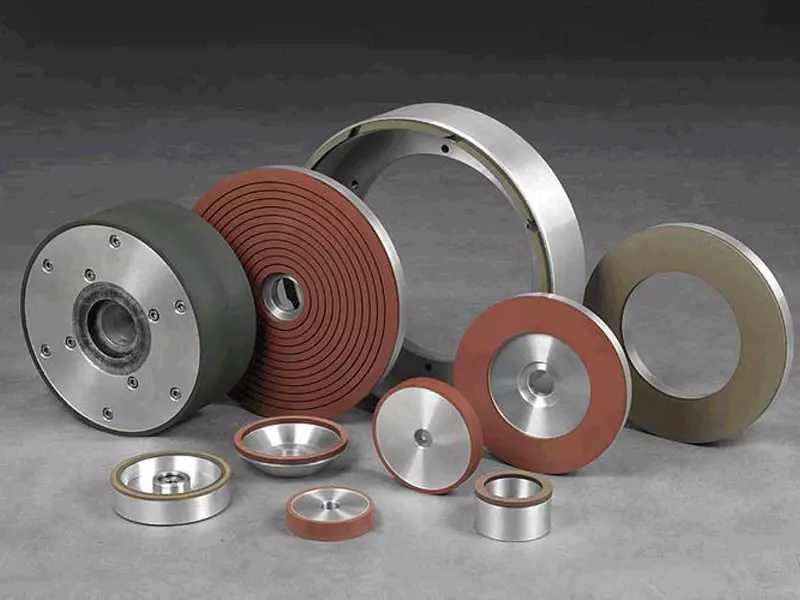
Grinding conditions exert huge influence. Higher grinding speed increases grain impact force and accelerates wear. Excessive depth of cut raises grinding force and heat, speeding up wheel failure. Coolant quality and supply coverage matter greatly. Sufficient coolant carries away grinding heat and chips, preventing bond thermal degradation. Insufficient cooling leads to bond softening and rapid wheel failure.
Workpiece material properties cannot be ignored. Hard, ductile materials tend to clog wheel gaps. Abrasive dust sticks to grain surfaces and blocks cutting edges. Regular, correct dressing restores wheel topography. Improper dressing damages the grain layer. Reasonable matching of wheel specification and grinding parameters is the most reliable way to stabilize and extend grinding wheel working life.
